
Walking into a Newcastle club for a quiet arvo session, you want simple blackjack tips for beginners that actually hold up at the felt. The trick is treating the table like a support queue: clear rules, steady pace, and no guessing. We walk through how a new player reads the layout, handles cards, and keeps decisions consistent without chasing noise.
Reading The Table Before You Sit
A good player scans the felt, the signage, and the dealer rhythm before placing chips, the same way a coach reads a ticket queue before assigning the next case. Look for the table minimum, the payout on blackjack, and whether the dealer stands or hits on soft seventeen. In many Australian venues you will see local signage and currency displayed in AUD, which removes the guesswork around denominations. If the layout feels cluttered or the pace is erratic, that is your cue to step back and observe a hand or two. For players comparing venue options or checking where a club lists its own table rules and local details, https://findmeclub.org/ can help you confirm what a specific location publishes before you commit to a seat. Treat that first minute as a quick audit, because a clear table makes the rest of your decisions easier to repeat.
Table Feature What To Check Why It Matters
Table minimum Chips you are comfortable risking Keeps your session within a planned budget
Blackjack payout Usually 3:2 or 6:5 Changes the long-term return on a natural
Dealer soft 17 rule Stand or hit on A-6 Affects how often the house edge shifts
Local signage AUD display and rule notices Removes currency and rule confusion
Holding Your Hand Steady
Once you are seated, the real work is keeping your play consistent rather than reacting to every card. Basic strategy is a set of fixed responses to your total and the dealer’s upcard, not a gut feeling you invent mid-hand. Start by learning the common totals: always stand on hard eighteen or higher, hit hard totals of twelve or lower when the dealer shows a strong upcard, and split pairs only when the math supports it. If you are new, write the key decisions on a small card and keep it in your pocket, because a visible reference beats a shaky memory when the arvo gets busy. Annika Lee, Head of Live Casino, Coral Coast Interactive, says beginners who stick to a printed strategy card make fewer emotional calls than those who improvise every hand. The goal is not to win every round, it is to remove obvious mistakes so your results reflect the game rather than your mood.
Managing Pace And Chips
Money handling is where most beginners drift, so treat your buy-in like a shift budget rather than a target to hit. Decide your starting stack, set a loss limit you are willing to accept, and walk away if either line is crossed. Chip values in Australian clubs are usually clear on the felt, but it pays to confirm denominations before you push a bet, especially if you are mixing colours. A steady pace matters too: take a beat between hands, watch the dealer finish the current round, and avoid stacking bets while a card is still exposed. Adam Watson, Senior Market Analyst, Flinders Interactive Group, notes that players who pause deliberately tend to keep their bet sizes consistent, which makes their session easier to review afterwards. If you feel the table turning fast, slow your bets or step to a quieter seat, because a controlled tempo is worth more than a lucky streak.
Reading The Room, Not Just The Cards
A blackjack table is a small service environment, and reading the room helps you settle in without adding friction. Watch how the dealer handles shuffles, payouts, and misdeals, because a calm table usually signals a smoother session for everyone. If a hand gets tense, keep your language neutral and your chips tidy, the same way a support team de-escalates a crowded queue by keeping the process visible and the tone steady. Local venues around Newcastle often run a steady weekday crowd, so you can usually find a table with a pace that suits a learner rather than a rush of regulars. Adam Evans, Head of Analytics, Boomerang Gaming Insights, points out that players who observe the table rhythm before betting tend to make fewer rushed decisions under pressure. You are not there to manage other players, but noticing the flow helps you pick your moments and keep your own play clean.
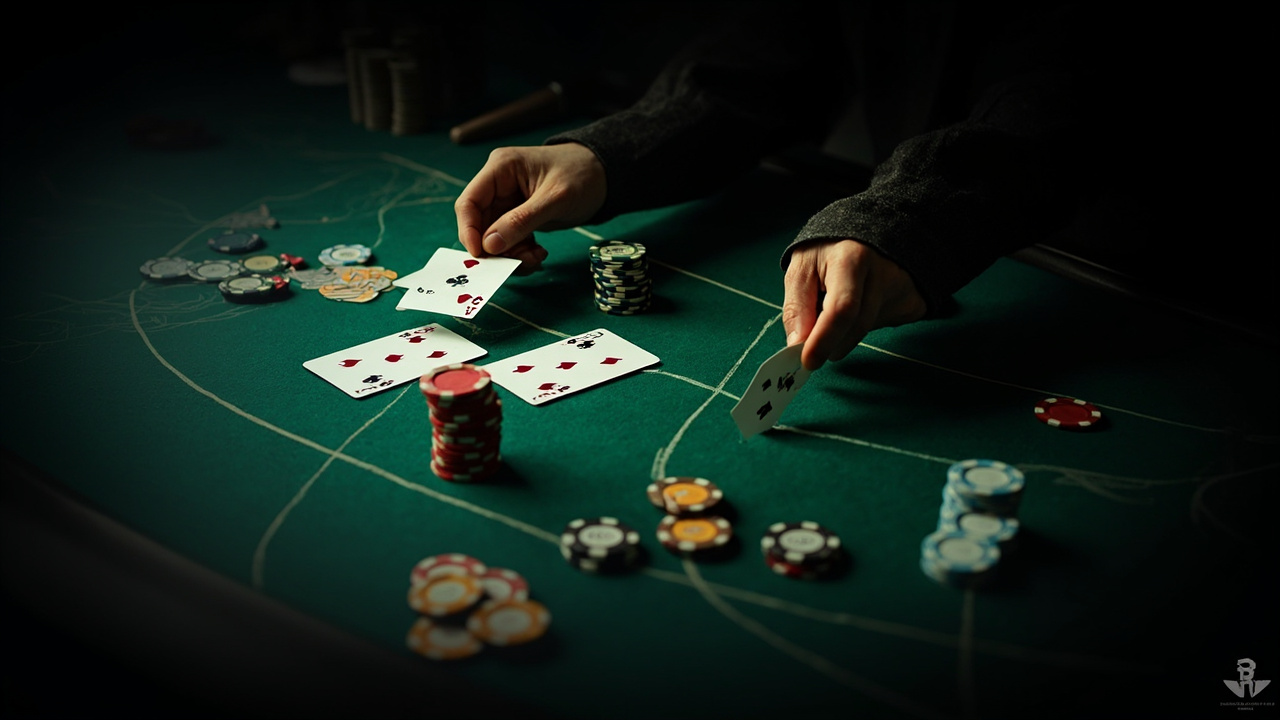
Blackjack rewards patience more than bravado, so the best start is a simple routine you can repeat without thinking. Scan the table, follow a fixed strategy, manage your stack, and keep your pace steady, and you will avoid most of the mistakes that cost beginners early on. No system removes variance, but a disciplined approach keeps your session readable and your decisions consistent. If you treat each visit as a practice round rather than a payout chase, you give yourself a better chance of walking away with your bankroll and your head intact.
